


Hypertension isn’t always about salt or stress. For many adults, undiagnosed sleep apnea is the underlying driver. Here are 7 common symptoms or signs.
- Loud, habitual snoring
- Witnessed breathing pauses or gasping at night
- Morning headaches or dry mouth
- Daytime fatigue, brain fog and daytime sleepiness
- Frequent nighttime urination (nocturia)
- Waking with a racing heartbeat or night sweats
- Resistant hypertension (BP stays high on 2–3 medications)
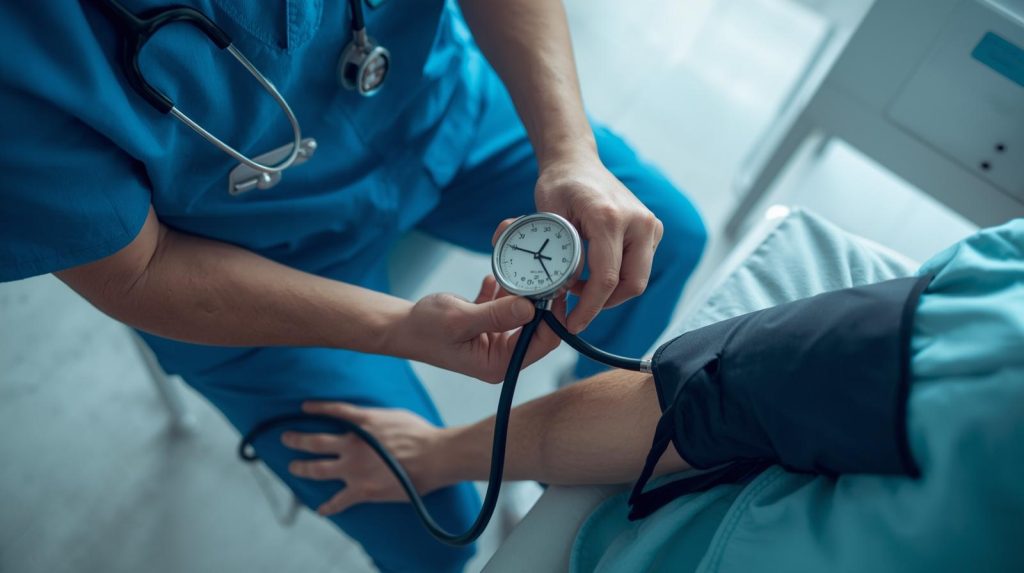
Why do these signs matter? These symptoms and signs are because you stop breathing and as a result sleep is disrupted and oxygen level drops repeatedly during the night. Each oxygen drop episode activates the body’s stress response, releasing hormones that tighten blood vessels and raise heart rate and blood pressure. Over time, elevated blood pressure and heart rate strain the heart and arteries.
How to get checked? Start with a primary care visit to review symptoms and complete a brief sleep apnea risk questionnaire. If indicated, many patients qualify for a convenient at-home sleep test that measures breathing and oxygen levels overnight. Your provider will use the results to confirm diagnosis and guide next steps.
Treatment options? CPAP and custom oral appliances help keep the airway open, reducing oxygen drops—often improving energy, mood, and blood pressure within weeks.
Lifestyle changes — including weight loss, improved sleep habits (such as maintaining consistent bedtimes, sleeping on your side, and limiting alcohol intake) — can further reduce risk and enhance long-term control when used alongside CPAP therapy.
Having these symptoms and signs? Book a sleep apnea screening with Pro Health Primary Care. A simple test could be the key to better sleep and better blood pressure control.